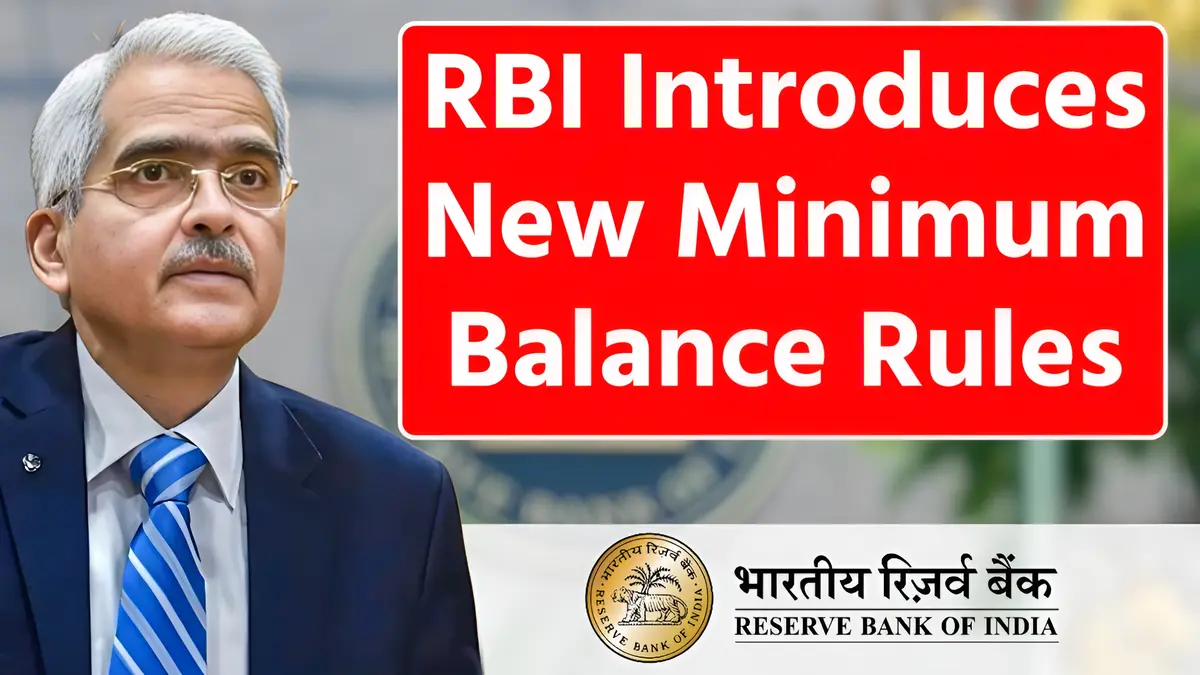
New Minimum Balance Rules: Starting January 2026, the Reserve Bank of India (RBI) will enforce new minimum balance rules for bank accounts, bringing significant changes to how we manage our accounts. Whether you’re a savings account holder or have a current account, these changes could affect you directly. The goal is to make banking smoother, with clearer rules and more consistency across the sector. In this article, we break down what you need to know about these new regulations.
Big Changes Ahead: Understanding Minimum Balance Rules
In a bid to bring uniformity to banking services, the RBI is introducing stricter guidelines for minimum balance maintenance. Banks will now have to ensure that their customers are informed about the revised criteria. If you’re someone who struggles with maintaining a minimum balance, these changes may help reduce confusion and unnecessary penalties. However, understanding the specifics is key to avoiding unwanted charges.
Penalty for Falling Short of Minimum Balance – What to Expect
The major shift in the new RBI rules is the penalties for failing to maintain the required balance in your account. Banks will impose fines when accounts dip below the prescribed limit. This can be a frustrating situation for customers who aren’t aware of the rules. Depending on the account type and bank, these fines can vary, so it’s essential to stay updated on your account balance and avoid the penalty trap.
Are Zero Balance Accounts Still an Option?
Zero balance accounts have been a popular choice for many, especially for those who want to avoid the pressure of keeping a certain balance. However, with the RBI’s new minimum balance guidelines, there will be more clarity on how these accounts are managed. While some banks will continue to offer zero-balance accounts, they may come with specific conditions, such as limited services or transaction limits.
How Will Digital Banking Be Affected?
Digital banking is on the rise, and with it comes the need for clear regulations on minimum balance requirements. The RBI’s new rules will also apply to digital-only banks and fintech services, which are growing rapidly in India. Users of such platforms will need to understand how the new regulations affect them, as some digital banks may impose higher penalties for not maintaining minimum balances.
How to Prepare for the 2026 Minimum Balance Rules
To avoid the inconvenience of penalties, it’s important to take proactive steps now. Start by reviewing your current account balances and comparing them with the upcoming minimum balance guidelines. If you’re unsure about the new rules, get in touch with your bank to clarify what you need to do. Taking these steps before January 2026 will save you from surprise charges later on.
Final Thoughts: Be Ready for the Transition
The RBI’s new minimum balance rules are all about creating a more transparent and uniform banking system. While these changes are necessary for a more efficient banking experience, they also require you to be vigilant. By preparing ahead of time and understanding the specifics, you can manage your account without the worry of unnecessary fees or penalties. Ensure you’re on top of these new guidelines, and you’ll be ready for the changes in January 2026.
Disclaimer: The information provided in this article is for informational purposes only. Please consult your bank or a financial advisor for personalized advice regarding the RBI’s new minimum balance rules.