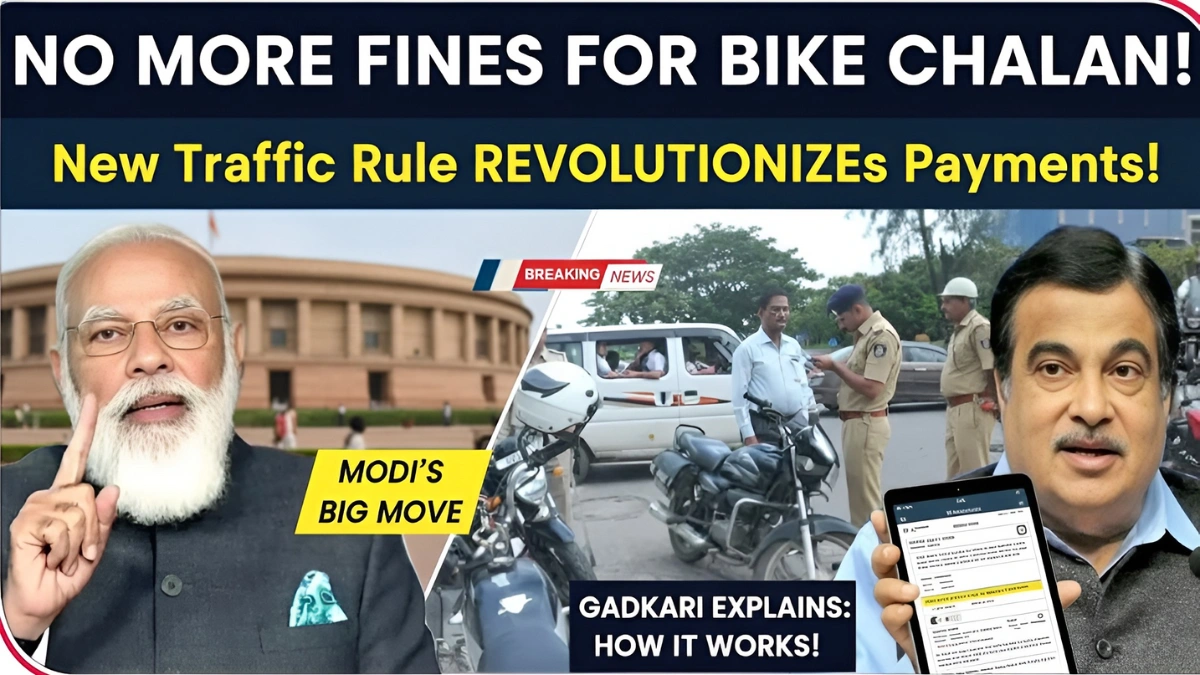
Motorcycle Riders Update: Riding a motorcycle is a daily routine for millions, whether for commuting or adventure. Traffic authorities have now introduced updated helmet guidelines for 2026, aimed at keeping riders safer than ever. These rules are not just about compliance—they are about protection, awareness, and creating a culture of safety on the roads. Understanding these changes ensures you ride with confidence, avoid fines, and contribute to safer streets. Here’s everything riders need to know.
Certified Helmets Are Mandatory
From 2026, all riders and passengers must wear helmets that meet official safety standards. Only helmets with government-approved certifications are legal. Non-certified helmets, even stylish or branded ones, will no longer be acceptable. Authorities emphasize that a certified helmet drastically reduces head injuries in accidents. Riders are encouraged to verify labels and choose helmets with advanced protection features. Investing in a certified helmet is more than following the law—it’s a commitment to personal safety and long-term well-being.
All Riders Must Wear Helmets
The new rules make helmet use mandatory for every ride, every time. Even short rides within city limits now require proper helmets. Traffic police are tasked with strict enforcement, and violations can lead to fines, license points, or even vehicle impoundment. The goal is simple: reduce fatalities and prevent severe injuries. Riders are urged to make helmet use a non-negotiable habit. Protecting your head isn’t optional—it’s the most important part of responsible riding.
Smart Helmets Enhance Safety
Technology meets protection with smart helmets. Features like Bluetooth, GPS navigation, voice commands, and integrated lighting are now gaining recognition. Riders can stay connected while keeping both hands on the handlebars. Authorities allow these smart helmets as long as they meet certified safety standards. They offer convenience without compromising safety, ensuring riders remain alert, informed, and visible at all times. A smart helmet is not just a gadget—it’s a tool for safer, smarter riding.
Stricter Penalties Enforced
Non-compliance with helmet rules carries serious penalties in 2026. Riders caught without helmets may face fines, license suspensions, or repeated offenses could even lead to vehicle seizure. The government’s intention is clear: save lives through strict enforcement. Riders are encouraged to view these penalties as protective measures rather than punishments. Following the rules keeps you safe, avoids unnecessary fines, and sets an example for other riders. Awareness and compliance are the keys to a safer riding culture.
Proper Helmet Fit Is Crucial
Wearing a helmet isn’t enough; fit and security are equally important. A helmet that’s too loose can fail during an accident, reducing protection. Riders should check strap tightness, helmet size, and comfort before every ride. Replacing helmets every few years or after an impact is also essential. A properly fitted helmet absorbs shock effectively, protects the skull, and increases survival chances in crashes. Fit and certification together make the ultimate safety combination.
Color and Visibility Matter
Traffic authorities now recommend helmets with bright colors or reflective elements. Visibility plays a crucial role in accident prevention, especially at night or in low-light conditions. Riders wearing reflective or neon helmets are easier to spot, reducing collision risks. Bright helmet designs also make a statement for safety-conscious riding. Pairing reflective helmets with visible jackets and gear adds extra layers of protection. Riding isn’t just about style—it’s about being seen and staying alive.
Awareness Campaigns Drive Change
To promote the new rules, authorities are launching road safety awareness campaigns. Workshops, roadside demonstrations, social media outreach, and community programs aim to educate riders about certified helmets and proper usage. Participation in these campaigns ensures riders are informed about legal requirements, safety benefits, and technology integration in helmets. Awareness creates a culture of responsibility and encourages consistent compliance. Knowledgeable riders are safer riders, and public engagement is key to reducing accidents.
Insurance Benefits for Compliant Riders
Following the helmet rules may also influence insurance outcomes. Many insurers now require proof of helmet usage to process claims efficiently. Riders using certified helmets may enjoy lower premiums and quicker claim approvals. Conversely, non-compliance could delay or even reject insurance claims after accidents. Helmets are no longer just protective gear—they are a crucial factor in insurance coverage. Riding responsibly with proper helmets ensures both personal safety and financial security.
Replacement Guidelines Are Essential
Authorities recommend regular helmet replacement to maintain protection. Helmets should be replaced every 3–5 years or immediately after any major impact. Wear and tear, even if minor, can compromise structural integrity. Using a worn-out helmet reduces safety and may invalidate insurance claims. Investing in periodic replacement ensures consistent protection. Proper maintenance, storage, and replacement practices make helmets reliable safety tools for years of worry-free riding.
Passenger Safety Is Non-Negotiable
Passengers are equally subject to the new helmet rules. Motorcycles must carry only those passengers wearing certified helmets. Traffic authorities are focusing on full compliance to ensure passenger safety. Educating family, friends, and fellow riders about these rules is essential. Sharing responsibility strengthens safety culture. Riding without proper protection isn’t just risky for the rider—it endangers every passenger on the vehicle. Safety is a shared responsibility, and everyone must follow the guidelines.
Emergency Preparedness Matters
Modern helmets now incorporate safety features for emergencies. Some designs include breakaway visors, emergency contact tags, and impact indicators. These features help emergency responders provide faster aid and ensure medical personnel know what protective gear was worn during accidents. Riders should explore helmets with additional emergency-ready technology for added protection. Being prepared for the unexpected can make a significant difference when accidents occur. Helmets now act as a first line of defense and support.
Road Safety Culture Is Evolving
The 2026 helmet rules reflect a shift in road safety culture. Authorities aim to make safe riding a priority for all, encouraging discipline, awareness, and responsibility. Riders who comply with helmet standards not only protect themselves but inspire others to follow suit. Consistent enforcement and public participation are creating roads where accidents are preventable and safety is normalized. Being a responsible rider is no longer optional; it’s a reflection of care for oneself and the community.
Final Word: Motorcycle Riders Update
The new helmet guidelines in 2026 are a game-changer for motorcycle safety. Certified helmets, proper fit, visibility, and compliance with law combine to significantly reduce accidents and fatalities. From penalties to insurance benefits, every detail emphasizes responsibility and protection. Riders who embrace these rules enjoy safer rides, legal security, and peace of mind. Staying informed, choosing the right helmet, and following traffic rules are now essential steps toward safer, smarter, and more enjoyable motorcycle journeys.
Disclaimer: This article is for informational purposes only. Readers should verify traffic rules, helmet guidelines, and safety standards with official authorities. The author is not liable for any misuse or violations.