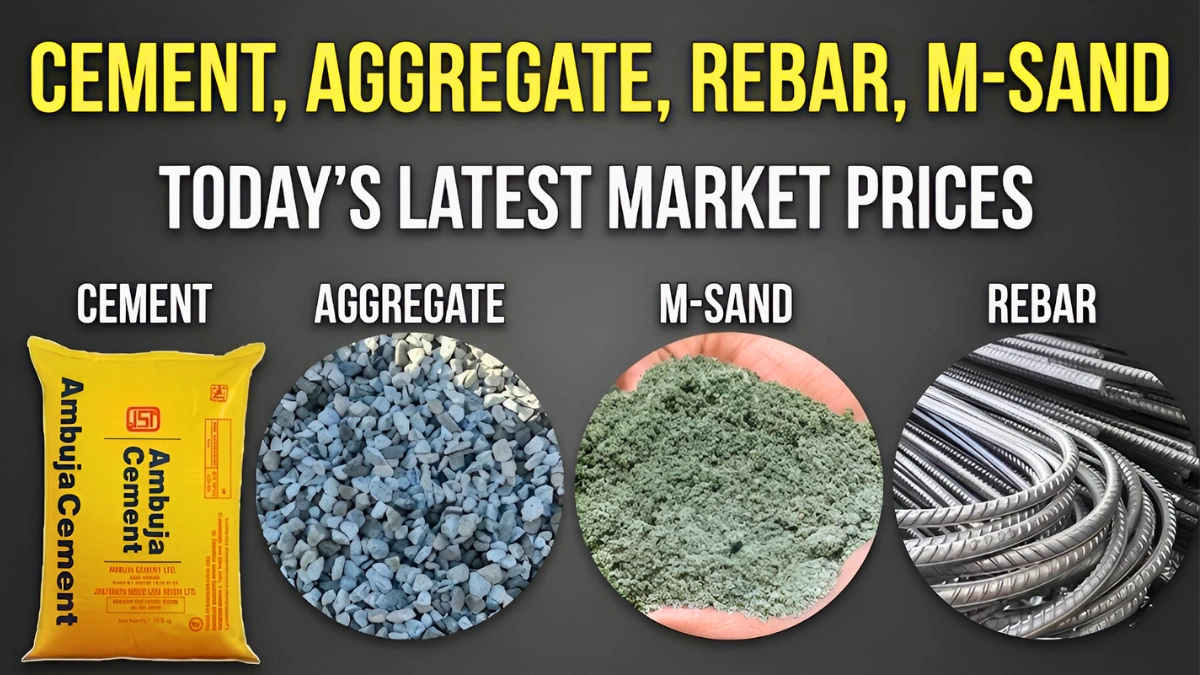
Construction Update 2026: The construction industry in 2026 has started on a positive note, with cement and sariya (steel reinforcement bars) prices showing a significant decline. This drop is bringing relief to builders, contractors, and homeowners who have long struggled with rising material costs. With affordability returning to the market, many stalled projects are expected to resume, and new developments are likely to gain momentum. Let’s dive into the latest updates, market trends, and what these changes mean for everyone involved in construction.
Cement prices bring fresh hope
Cement prices have eased across major markets, offering much-needed relief to the construction sector. The reduction is largely due to improved production efficiency, better supply chain management, and reduced transportation costs. Builders are optimistic that this trend will continue, making large-scale projects more financially viable. For homeowners, the fall in cement prices means lower expenses when planning new builds or renovations, giving them confidence to move forward with long-delayed projects.
Sariya rates spark optimism
Sariya, the backbone of structural strength in construction, has also seen a notable price drop. With global steel markets stabilizing and raw material costs declining, sariya has become more affordable than in previous years. Contractors are reporting improved margins, while buyers are finding it easier to plan long-term investments. This reduction is expected to accelerate project timelines, as affordability encourages faster procurement and execution of construction work.
Builders expand project pipelines
Lower cement and sariya costs are enabling builders to expand their project pipelines. Reduced input costs mean more flexibility in planning, allowing them to take on larger contracts or offer competitive pricing to clients. This shift is expected to stimulate the real estate sector, encouraging new housing developments and infrastructure projects. Small-scale builders, who often struggle with fluctuating material costs, are also finding breathing room to grow their businesses.
Homeowners return to building plans
Families who had postponed construction due to high expenses are now revisiting their plans. With cement and sariya forming the backbone of any project, the price drop directly translates into affordability. Renovations, extensions, and new home constructions are gaining traction, creating demand for skilled labor and related services. This renewed confidence among homeowners is expected to create a ripple effect across the construction ecosystem, boosting demand for allied industries such as tiles, paints, and fixtures.
Market stability strengthens confidence
Industry experts believe the current decline in cement and sariya prices is part of a broader trend toward stability. Improved production technologies, government support for infrastructure, and balanced demand-supply dynamics are contributing to this change. While seasonal fluctuations may still occur, the overall outlook remains positive. Stable prices encourage long-term planning, making it easier for both individuals and businesses to commit to construction projects without fear of sudden cost spikes.
Real estate sector gains momentum
The real estate sector is one of the biggest beneficiaries of falling construction material prices. Affordable cement and sariya reduce the overall cost of housing projects, making homes more accessible to buyers. Developers can pass on savings to customers, potentially lowering property prices or offering better amenities. This development is expected to attract more investments into real estate, boosting both residential and commercial projects. The sector is gearing up for a strong year ahead, driven by cost efficiency.
Infrastructure projects accelerate growth
Government-backed infrastructure projects are also set to gain momentum with reduced material costs. Roads, bridges, and public facilities require massive amounts of cement and steel, and lower prices make these projects more feasible. Faster execution of infrastructure plans means improved connectivity and better facilities for citizens. This acceleration is likely to create jobs and stimulate economic growth, making the fall in cement and sariya prices a win-win situation for both the government and the public.
Contractors enjoy better margins
Contractors are among the biggest winners in this price decline. With reduced costs for cement and sariya, they can manage budgets more effectively and deliver projects within timelines. Improved margins also allow them to invest in better equipment, skilled labor, and advanced technologies. This not only enhances project quality but also boosts their competitiveness in the market. Contractors are now more confident in bidding for larger projects, knowing that material costs are under control.
Suppliers report rising demand
Hardware shops and suppliers are witnessing increased inquiries as buyers rush to take advantage of lower prices. From small-scale home renovations to large-scale commercial projects, affordability is driving enthusiasm across the sector. Suppliers are preparing for a busy year ahead, stocking up on cement and sariya to meet rising demand. This surge in activity is expected to strengthen the supply chain, ensuring steady growth and stability in the months to come.
Rural construction sees revival
The impact of falling cement and sariya prices is not limited to urban areas. Rural construction projects, often constrained by budget limitations, are also seeing a revival. Affordable materials make it easier for families in villages to build homes, schools, and community facilities. This revival is expected to improve living standards and create employment opportunities in rural regions. The ripple effect of lower prices is reaching every corner of the country, making construction more inclusive.
Economic growth gets a boost
The construction industry is a major driver of economic growth, and reduced material costs are expected to accelerate this contribution. Affordable cement and sariya encourage more projects, creating jobs and stimulating demand for allied industries. From transportation to manufacturing, the benefits are widespread. Economists predict that the fall in prices will contribute to overall economic stability, making 2026 a promising year for growth and development across multiple sectors.
Future outlook remains positive
Looking ahead, the outlook for cement and sariya prices remains positive. Industry analysts suggest that continued investment in production technologies and government support for infrastructure will keep prices stable. While global market dynamics may influence costs, the current trend indicates long-term affordability. Builders, homeowners, and contractors can plan with confidence, knowing that material prices are unlikely to spike dramatically in the near future.
Conclusion
The fall in cement and sariya prices in 2026 is more than just a market update—it’s a turning point for the construction industry. Homeowners, builders, and developers all stand to benefit from reduced costs, making this year an ideal time to invest in new projects. With stability in material prices and growing confidence across the sector, the outlook for construction remains bright. Whether you’re planning a home or a large-scale development, 2026 offers the perfect opportunity to build smarter and save more.
Disclaimer: This article is for informational purposes only. Market rates may vary regionally. Readers should verify prices independently before making construction or financial decisions.