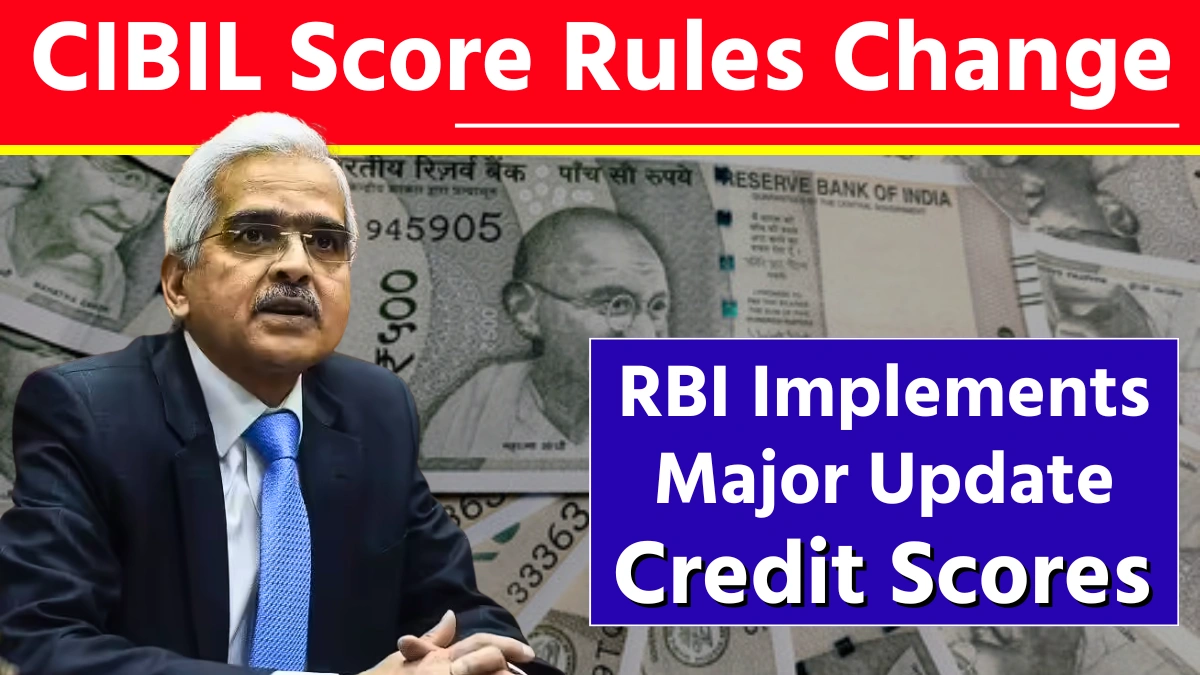
CIBIL Score Rules Change: The Reserve Bank of India has introduced a major update that is set to redefine how credit scores work in the country. Your CIBIL score will now reflect not just your repayment history but also your overall financial behavior. This change aims to make lending fairer and more precise. Whether you are applying for a personal loan, home loan, or credit card, understanding this update is crucial to manage your finances and improve your creditworthiness.

Smarter Evaluation Changes Credit Rules
The new CIBIL scoring rules mean lenders will now analyze credit behavior more comprehensively. They will include factors like credit utilization, timely payments, and even digital banking activity. This gives a clearer view of how reliably a person manages credit. Borrowers who maintain a consistent repayment pattern may see faster score improvements. On the other hand, irregular payments or high outstanding balances could now affect approvals more than ever before.
Loans May Come With Better Rates
With the RBI update, credit scores will directly influence interest rates. Individuals with strong scores could qualify for lower interest rates, while borrowers with weaker scores may face stricter terms. This is a clear push to encourage disciplined financial habits. Lenders will have more confidence in evaluating risk, meaning timely payments and responsible borrowing could save consumers thousands of rupees over the life of a loan.
Credit Mix Gains Higher Importance
Maintaining a healthy credit mix is now crucial under the new rules. Simply having one type of loan is no longer enough. A combination of personal loans, credit cards, and retail loans is viewed positively. Lenders can now evaluate repayment behavior across multiple credit types, giving them a complete picture of your financial responsibility. A diversified credit profile may help boost scores faster while improving chances of approval for bigger loans.
Late Payments Hit Scores Faster
One notable change is that late payments now have a quicker impact on your CIBIL score. Missing an EMI or delaying a credit card bill can show up almost immediately. This move is aimed at encouraging timely payments and minimizing hidden risks for lenders. Consumers must be extra vigilant with due dates and consider setting up automatic payments. Even minor lapses could influence approvals, credit limits, and interest rates in future applications.
Digital Behavior Now Matters
RBI’s update also factors in digital footprint when calculating scores. Lenders can evaluate online payment patterns, mobile banking activity, and transaction regularity. This helps identify borrowers likely to manage credit responsibly. While traditional repayment history remains important, integrating digital behavior offers a more dynamic and modern assessment. Responsible digital usage now works in your favor, rewarding users who actively engage with financial tools in a timely and disciplined manner.
Regular Monitoring Becomes Essential
With these changes, monitoring your CIBIL score is more important than ever. Regular checks allow you to spot errors, detect inconsistencies, and take corrective action before applying for a loan. Many credit bureaus now offer free monthly reports. Being proactive ensures your score accurately reflects your financial behavior. Timely updates and corrections can prevent unnecessary rejections and help secure better loan terms and interest rates in a competitive lending environment.
Smart Steps Can Boost Scores
Improving your CIBIL score under the new rules requires a few smart strategies. Prioritize paying EMIs and credit card bills on time, maintain a balanced credit mix, and monitor your credit utilization ratio. Avoid opening multiple loans at once, and check your score frequently for discrepancies. Consistent responsible behavior will now be rewarded faster thanks to the RBI update. These small changes can lead to better approvals, lower interest rates, and overall improved financial health.
Clearer Rules Aid Financial Planning
The RBI’s update not only affects lenders but also benefits consumers. With more transparent scoring rules, borrowers can plan loans and credit card usage more effectively. Understanding what impacts your score allows better decision-making for future financial goals. From buying a home to taking a personal loan, clear knowledge of these rules empowers users to improve creditworthiness and negotiate better loan conditions, ensuring a more stable and predictable financial journey.
Final Word: CIBIL Score Rules Change
The RBI’s new CIBIL score rules mark a major shift in India’s credit landscape. Scores will now reflect a fuller picture of financial behavior, from repayment consistency to digital activity. Consumers who adopt responsible borrowing, timely payments, and maintain a healthy credit mix stand to benefit the most. Monitoring scores regularly and taking proactive steps can lead to faster approvals and better interest rates. Staying informed and disciplined is now the key to unlocking better financial opportunities.
Disclaimer: The information provided in this article is for general informational purposes only. It does not constitute financial advice. Readers should verify details and consult professionals before making decisions.