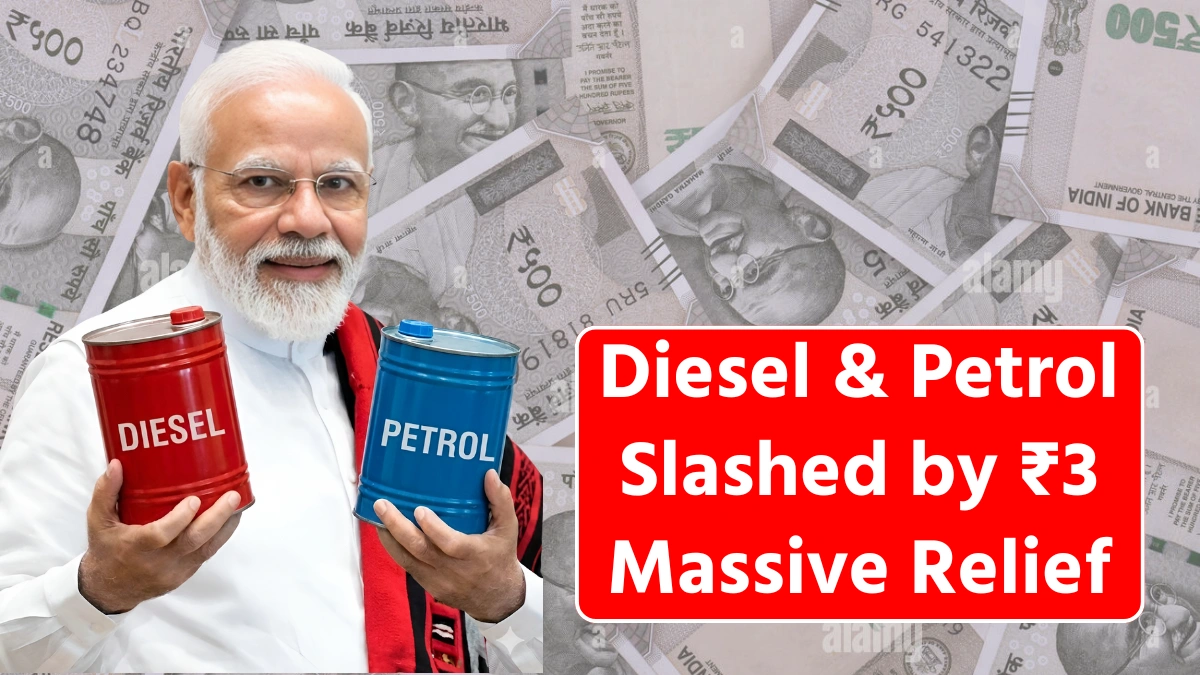
Petrol–Diesel Prices Cut by ₹3: Petrol and diesel prices dropping by ₹3 per litre has instantly grabbed national attention. Fuel costs touch almost every aspect of daily life in India, from commuting to grocery prices. This sudden cut has come as a welcome relief for families, transporters, and businesses that have been struggling with rising expenses. Beyond the immediate savings at fuel pumps, this decision carries wider economic implications that could influence inflation, consumer spending, and overall market sentiment in the coming months.
Fuel Bills Finally Feel Lighter
The most immediate impact of the fuel price cut is visible at petrol pumps. Daily commuters using two-wheelers and cars now spend noticeably less on refueling. For office-goers and self-employed workers who rely on personal transport, this reduction helps stretch monthly budgets. While ₹3 per litre may appear small, regular fuel users quickly realize meaningful savings over weeks, making everyday travel slightly more affordable and less stressful.
Household Expenses Get Breathing Space
Fuel prices play a hidden but powerful role in household expenses. Lower petrol and diesel rates reduce transportation costs for essential goods like vegetables, milk, and groceries. Over time, this can slow down price increases in local markets. Families managing tight finances may not see overnight changes, but the pressure of constantly rising costs eases. This gives households more flexibility to manage monthly spending without sacrificing basic needs.
Transport Sector Sees Fresh Relief
The transport and logistics industry is among the biggest beneficiaries of fuel price reductions. Truck drivers, taxi operators, and delivery services depend heavily on diesel and petrol. Lower fuel costs improve margins and reduce the need for frequent fare hikes. This stability benefits consumers as well, as transport costs directly influence the final price of goods. A healthier transport sector also supports smoother supply chains nationwide.
Inflation Heat Starts Cooling
Fuel prices are a major contributor to inflation in India. When petrol and diesel become expensive, the cost of almost everything else follows. A ₹3 cut sends a positive signal that inflationary pressure may ease. While this single move won’t eliminate inflation, it can help slow its pace. For consumers, this means fewer sudden price shocks and a more predictable cost of living in the near term.
Government Signals Economic Balance
Fuel price cuts often reflect careful economic planning. Factors such as global crude oil prices, tax structures, and fiscal goals influence these decisions. By reducing fuel prices, the government aims to balance public relief with revenue management. This move also strengthens public confidence, showing responsiveness to everyday concerns. It positions fuel pricing as a tool to stabilize the economy during uncertain global and domestic conditions.
Business Costs Begin To Ease
Lower fuel prices bring welcome relief to businesses, especially small and medium enterprises. Reduced logistics and transportation expenses help control operational costs. Manufacturers, traders, and service providers may find it easier to manage pricing without passing extra burden onto consumers. Over time, improved cost control can encourage expansion, support employment, and strengthen supply networks across industries.
Rural Economy Feels The Impact
Diesel plays a crucial role in rural India, powering tractors, irrigation pumps, and goods transport. A reduction in diesel prices directly benefits farmers by lowering cultivation and transportation costs. This support is especially important during planting and harvesting seasons. Lower fuel expenses can improve profitability for farmers and ease pressure on food supply chains, indirectly benefiting urban consumers as well.
Consumer Mood Turns Positive
Fuel price cuts often improve public sentiment quickly. When daily expenses feel manageable, people become more confident about spending. This renewed optimism can boost sectors like retail, travel, and services. Even small improvements in consumer confidence help stimulate economic activity. As spending increases gradually, businesses gain momentum, creating a cycle of demand and stability.
Long Term Effects Watched Closely
While the current price cut is encouraging, its long-term impact depends on global oil markets and policy decisions. Consumers and businesses alike will watch closely to see whether prices remain stable. Sustained fuel affordability can support steady growth, while sudden reversals may reignite cost pressures. For now, the reduction offers a much-needed pause in the cycle of rising fuel costs.
Final Word: Petrol–Diesel Prices Cut by ₹3
The ₹3 cut in petrol and diesel prices goes beyond short-term savings at fuel pumps. It supports household budgets, eases pressure on businesses, helps control inflation, and strengthens consumer confidence. While future price trends remain uncertain, this move delivers timely relief to millions across India. For everyday citizens and the broader economy, the fuel price drop marks a positive step toward stability and balance.
Disclaimer: This article is for informational purposes only. Fuel prices and government policies may change. Readers should verify details from official sources before making any financial or travel decisions.