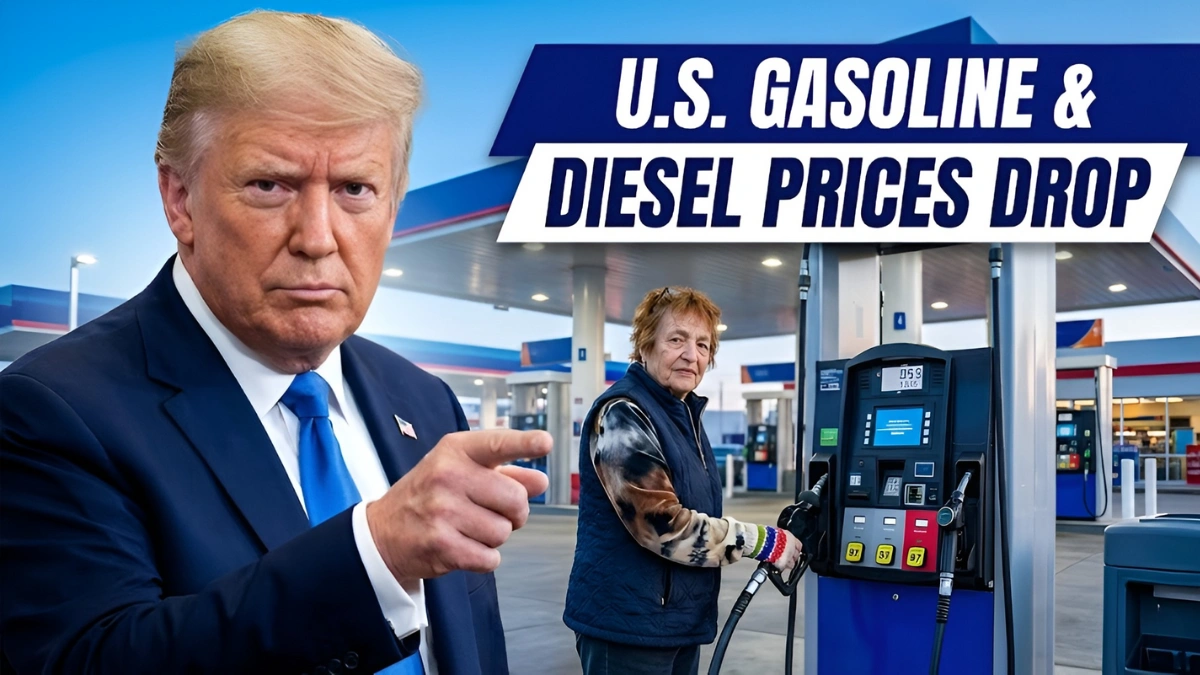
U.S. Gasoline & Diesel Prices Drop: Fuel prices across the United States have finally taken a welcome turn in 2026, bringing relief to millions of drivers. Gasoline and diesel costs have dropped to new lows, offering households, businesses, and industries a much-needed break after years of volatility. This decline is not just about saving money at the pump—it’s reshaping consumer behavior, boosting economic confidence, and sparking conversations about the future of energy. Let’s explore how this shift is impacting everyday life and the broader economy.
Drivers Feel Instant Savings
For everyday commuters, the drop in gasoline prices is more than just numbers on a signboard—it’s real savings that add up quickly. Families who once struggled with rising transportation costs now find extra room in their monthly budgets. Road trips are becoming more affordable, and the stress of filling up the tank has eased considerably. This change is encouraging more travel, boosting morale, and giving Americans a sense of financial breathing space.
Trucking Industry Finds New Strength
Diesel prices have long been a pain point for the trucking industry, but 2026 is bringing a fresh wave of optimism. Lower costs mean reduced overhead for trucking companies, allowing them to expand operations and improve efficiency. Small businesses that struggled during high-cost periods are now reinvesting in growth. With cheaper diesel, supply chains are stabilizing, shipping costs are dropping, and consumers are benefiting from more affordable goods delivered nationwide.
Airlines Welcome Lower Fuel Costs
Airlines are closely tied to fuel prices, and the recent decline is reshaping their strategies. Jet fuel, influenced by diesel trends, has become more affordable, reducing operating expenses. This opens the door for competitive ticket pricing, expanded routes, and improved services. Travelers are likely to see more accessible fares, making air travel less of a luxury and more of a practical option. The aviation sector is poised to regain momentum, benefiting both carriers and passengers.
Economy Gains Positive Momentum
Cheaper fuel is not just a win for drivers—it’s a boost for the entire economy. Lower transportation costs ripple across industries, reducing the price of goods and services. From groceries to electronics, consumers are seeing more stable prices. Businesses enjoy reduced overhead, while households gain purchasing power. Economists suggest this trend could strengthen consumer confidence, encouraging spending and investment. The result is a healthier, more resilient economy that benefits everyone.
Small Businesses See Relief
Local businesses, often hit hardest by rising fuel costs, are now experiencing relief. Delivery services, food trucks, and logistics-dependent companies are saving money daily. These savings allow entrepreneurs to reinvest in growth, hire more staff, and expand their offerings. For communities, this means stronger local economies, more job opportunities, and a renewed sense of optimism. The drop in fuel prices is proving to be a lifeline for small business owners nationwide.
Farmers Benefit From Lower Costs
Agriculture is another sector reaping rewards from cheaper fuel. Farmers rely heavily on diesel for machinery, irrigation systems, and transportation of produce. Lower costs reduce the burden of production, making food more affordable for consumers. This shift strengthens food supply chains and stabilizes prices in grocery stores. For rural communities, the relief is especially significant, as farming operations become more sustainable and profitable in the long run.
Consumers Embrace Road Travel
With gasoline prices at new lows, road travel is experiencing a surge. Families are planning vacations, students are taking road trips, and retirees are exploring destinations without worrying about fuel expenses. Tourism industries, from hotels to restaurants, are benefiting from this renewed enthusiasm for travel. The affordability of driving is reshaping leisure habits, encouraging exploration, and strengthening connections across communities.
Global Oil Market Adjusts
The decline in U.S. fuel prices is tied to shifts in the global oil market. Increased production, improved refining efficiency, and geopolitical stability have contributed to lower costs. Analysts suggest that the U.S. energy sector is becoming more resilient, balancing supply and demand effectively. While global markets remain unpredictable, the current trend highlights America’s growing independence in energy production and its ability to shield consumers from extreme price fluctuations.
Environmental Concerns Resurface
While lower fuel prices are celebrated, environmental advocates raise concerns about increased consumption. Cheaper gasoline and diesel may encourage more driving, potentially slowing progress toward sustainability goals. Policymakers are now debating how to balance affordability with environmental responsibility. The challenge lies in promoting renewable energy and electric vehicles while ensuring that consumers continue to enjoy financial relief. This debate is shaping the future of transportation and energy policy.
Electric Vehicles Face New Challenges
The drop in fuel prices is creating fresh challenges for the electric vehicle (EV) market. With gasoline more affordable, some consumers may delay switching to EVs. Automakers are responding by highlighting long-term savings, environmental benefits, and technological advancements. Incentives and government policies will play a crucial role in keeping EV adoption on track. The competition between traditional fuel and electric power is intensifying, shaping the automotive industry’s future.
Public Transit Gains Renewed Interest
Interestingly, lower fuel prices are also benefiting public transit systems. Reduced operating costs allow cities to maintain affordable fares and expand services. Bus and rail networks are seeing improved efficiency, making them more attractive to commuters. For urban areas, this means stronger infrastructure, reduced congestion, and more sustainable mobility options. Public transit is emerging as a winner in this new energy landscape.
Consumers Enjoy Greater Purchasing Power
The most immediate impact of cheaper fuel is increased purchasing power. With less money spent at the pump, households can redirect funds toward savings, investments, or leisure activities. Retailers are noticing stronger sales, restaurants are seeing more customers, and entertainment venues are experiencing higher attendance. This shift is creating a cycle of growth, where consumer confidence fuels economic expansion.
Technology Enhances Fuel Efficiency
Advancements in technology are also playing a role in maximizing the benefits of lower fuel prices. Modern vehicles are more fuel-efficient, allowing drivers to stretch their savings further. Smart logistics systems help businesses optimize routes, reducing fuel consumption. Innovations in refining and energy management are ensuring that the current trend is sustainable. Technology is proving to be a key ally in shaping a more efficient energy future.
Conclusion
The drop in U.S. gasoline and diesel prices in 2026 is more than just a financial relief—it’s a transformative moment for the nation. From commuters to farmers, airlines to small businesses, the benefits are widespread. While challenges remain, particularly in balancing environmental goals with affordability, the overall impact is overwhelmingly positive. Drivers are saving, businesses are thriving, and the economy is gaining strength. For now, Americans can enjoy the rare feeling of pump relief, knowing that lower fuel costs are fueling a brighter future.