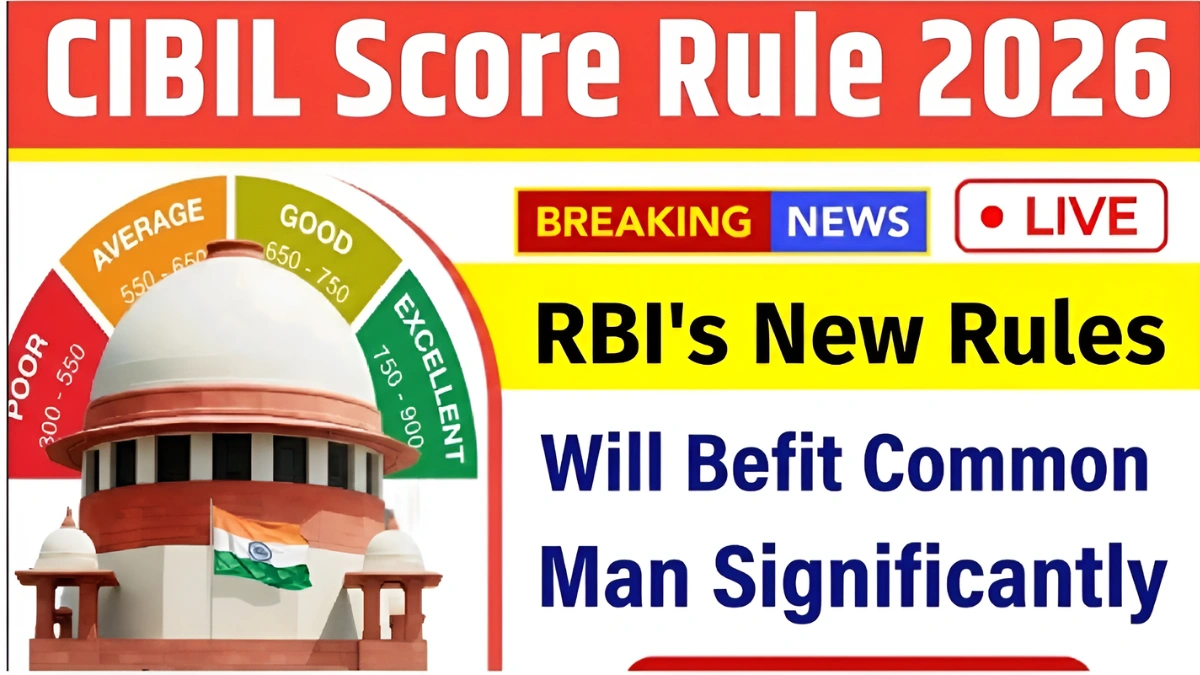
CIBIL Score News 2026: CIBIL score has quietly become one of the most powerful factors in personal finance, influencing everything from home loans to simple credit cards. In 2026, the Reserve Bank of India stepped in with a strong set of reforms that change how credit data is reported, updated, and evaluated. These new rules are not cosmetic updates but structural shifts aimed at protecting borrowers, improving transparency, and enforcing discipline among lenders. For anyone using loans or credit cards, understanding these changes is now essential rather than optional.
RBI Draws a Clear Credit Line
The RBI’s latest decision makes it clear that credit reporting can no longer function with delays and errors. Financial institutions are now expected to follow stricter timelines and accuracy standards while sharing borrower data with credit bureaus. This move directly addresses long-standing complaints where users suffered due to late updates or incorrect entries. By tightening oversight, the central bank has reinforced the idea that credit information is a shared responsibility, not a one-sided process.
Faster Updates Mean Faster Benefits
One of the most borrower-friendly changes in 2026 is the push for quicker CIBIL score updates. Payments made on loans or credit cards will reflect much sooner than before. This is especially helpful for users who are actively improving their credit behavior. Earlier, even after clearing dues, people had to wait months to see score improvements. With faster reporting cycles, good financial habits are now rewarded almost immediately.
Lenders Under Compliance Pressure
Banks and NBFCs are now operating under increased regulatory pressure when it comes to credit reporting. Any negligence in updating borrower status or resolving errors can invite strict action. This marks a shift from borrower-centric penalties to shared accountability. Lenders are no longer free to ignore disputes or delay corrections. For consumers, this change reduces helplessness and increases confidence while dealing with credit-related issues.
Transparency Becomes the New Normal
The RBI has emphasized that borrowers deserve clarity, not confusion. Under the new rules, credit reports are expected to be more detailed and understandable. Instead of vague score drops, users will see clearer explanations related to missed payments, credit utilization, or recent inquiries. This transparency empowers people to make smarter financial decisions and avoid habits that silently damage their credit profile.
Credit Card Discipline Gets Spotlight
Credit cards are under sharper observation in 2026. While timely payments remain important, the RBI has highlighted that excessive credit utilization can negatively impact scores much faster. Regularly maxing out limits or paying only minimum dues may now hurt creditworthiness more than before. On the flip side, disciplined usage with low balances and full payments can significantly improve scores, making credit cards a double-edged financial tool.
Loan Repayment Behavior Counts More
Loan users will feel the impact of these changes in a more immediate way. Missed EMIs, delayed payments, or restructuring requests will reflect quicker in credit records. This ensures lenders have a more realistic picture of borrower risk. At the same time, consistent on-time repayments improve credibility faster, helping responsible borrowers negotiate better interest rates and loan terms.
Dispute Resolution Gets Teeth
Dispute handling has long been a weak point in the credit system. In 2026, the RBI has strengthened timelines and accountability for dispute resolution. Borrowers who report incorrect information can now expect defined response periods from lenders and credit bureaus. This reduces prolonged stress and prevents unnecessary loan rejections caused by unresolved errors. A stronger dispute mechanism adds fairness to the entire credit ecosystem.
Credit History Accuracy Matters More
Accuracy is no longer optional in credit reporting. Even small mistakes, such as showing an active loan that is already closed, can have serious consequences under the new framework. Lenders are now required to double-check records before submission. For borrowers, this means maintaining proper documentation and monitoring reports regularly becomes crucial to avoid future complications.
Impact On First Time Borrowers
New borrowers entering the credit system in 2026 will experience a more structured environment. Their early financial behavior will be tracked closely and reflected faster. While this encourages responsible borrowing, it also means early mistakes can have immediate consequences. For young professionals and first-time card users, building credit thoughtfully from the start is now more important than ever.
Digital Monitoring Gains Strength
Technology plays a major role in the new RBI-backed framework. Automated reporting systems and digital monitoring tools are being encouraged to minimize human errors. This reduces inconsistencies across lenders and improves overall data quality. For users, this means fewer surprises in credit reports and a smoother experience when applying for financial products across platforms.
Borrower Awareness Takes Center Stage
Another indirect but important outcome of the 2026 rules is increased borrower awareness. With clearer reports and quicker updates, people are more likely to track their credit health regularly. This shift encourages financial literacy and responsible usage of loans and cards. Over time, an informed borrower base strengthens the overall stability of the credit market.
Banks Rethink Risk Assessment
With real-time and accurate data, banks are refining how they assess risk. Decisions are now based on current behavior rather than outdated history. This benefits borrowers who have improved financially over time. However, it also means that recent lapses can impact approvals quickly. The system rewards consistency and penalizes carelessness more efficiently than before.
Small Financial Habits Gain Weight
In the new credit environment, even small habits carry weight. Paying bills before due dates, keeping balances low, and avoiding unnecessary credit inquiries can make a noticeable difference. Earlier, such details often went unnoticed. In 2026, these micro-behaviors contribute significantly to overall credit health, pushing users toward disciplined money management.
Long Term Credit Culture Shift
Beyond individual scores, the RBI’s decision signals a broader cultural shift. Credit is no longer just about access but about responsibility and transparency. Both lenders and borrowers are expected to play their part. Over time, this could reduce defaults, improve trust, and create a healthier financial ecosystem that supports sustainable borrowing rather than reckless lending.
Final Word: CIBIL Score News 2026
The CIBIL score reforms of 2026 mark a turning point in India’s credit landscape. By enforcing faster updates, stronger transparency, and stricter accountability, the RBI has reshaped how loans and credit cards influence financial lives. For borrowers, this is a clear message that credit behavior matters more than ever. Those who stay disciplined and informed will benefit, while careless usage will show consequences quickly. In the long run, these changes promise a fairer, smarter, and more reliable credit system for everyone.
Disclaimer: The information in this article is for general informational purposes only. It does not constitute financial advice. Readers should consult authorized financial advisors before making any loan or credit decisions.